


 Message
Maintenance Lubricants & Oil Solutions
Maintenance Lubricants and Oil Solutions play a crucial role in ensuring the smooth, efficient, and reliable operation of different types of machinery and equipment across various industries. Their primary function is to reduce friction, wear, and heat between moving parts, thereby extending the lifespan of components and minimising the risk of mechanical failure.
At Lubricants SW, we stock a wide selection of Maintenance Lubricants, carefully sourced from industry-leading manufacturers like Ambersil, Petro-Canada, and Tygris. Our offerings include greases, chain & wire rope lubricants, and specialist lubricants – all available in a number of sizes ranging from kegs to aerosols.
In addition to lubrication, these solutions help protect against corrosion, remove contaminants, and enhance energy efficiency, making them an absolute must for small businesses and large enterprises alike.
We also stock:
- Food Safe Lubricants
- Lubrication Equipment
- Consumables
- Automatic Lubrication
- Lubrication Storage & Handling
Want to find out more about the role of Maintenance Lubricants? Check out our blogs:
Showing 85–96 of 184 results

Anti-Seize, Cutting / Tapping, Protection
Chain and Wire Rope Lubricants
Cleaners and Degreasers
Greases
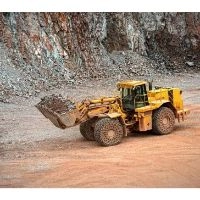
Mining Lubricants
Specialist Lubricants

Oil Fortifier and Fuel Treatment
Ambersil Range
Petro-Canada Maintenance
Tygris Aerosols
New Tech Lubes Value 500ml Aerosol Range




-
Multi Lube EP2 Multi Purpose Grease
-
MLR Lithium Complex Grease
-
Hi-Temp Grease
-
Trident-M Synthetic Grease c/w Moly
-
Titan Synthetic Non-Melting Grease
-
Titan-M Synthetic Non-Melting Grease c/w Moly
-
Bentone 2 Non-Melting Grease
-
Poly-Tech B Water Repellant Grease
-
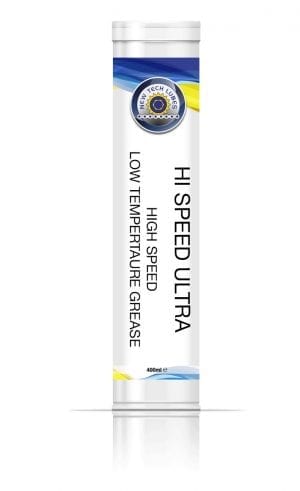
High-Speed Ultra Grease
-
Salt Resistant Waterproof Grease
-
Moly-Tech Fluid MoS High Load Oil
-
Red-Rubber Grease




Prevention is the best cure
Lubrication faults are one of the most preventable types of failure in rotating machinery. By ensuring that the correct Maintenance Lubricant is present, and in the right quantity, you can not only maximise performance but extend operating life.
Another factor to consider with Maintenance Lubrication is understanding the damage caused by under or over lubricating your equipment. Our team will be able to advise you on the correct quantity and frequency, allowing you to have a constant level of protection during operation.
We have developed a wide range of Multi-Purpose Greases and Lubricants for general maintenance in the workplace, as well as Hydraulic, Gear, Slideway and Heat Transfer Oils, Compressor Fluids, Transmission & Engine and Agricultural Oils.
Whichever type of maintenance oil or grease you require, you are sure to find it at Lubricants SW at a cost-effective price. Can’t find what you are looking for? Our team of Maintenance Lubrication specialists will be able to help you with everything from application to sourcing.
Maintenance Lubricants FAQs
At Lubricants SW, we have been supplying businesses in the UK and Ireland with high-performance Maintenance Lubricants since 1996. As you can imagine, we’ve been asked plenty of questions about them during this time.
To help out, we’ve compiled the most common questions we get, alongside comprehensive answers.
If you can’t find the answer to your particular query, please call us on 01822 855 885 or email us by filling in our contact form.
What is lubrication in maintenance?
Lubrication in maintenance is the controlled application of an oil, grease, or specialist lubricant to moving machinery components. Its main purpose is to create a protective film between surfaces, helping to reduce friction, heat and wear.
The correct maintenance lubricant can also protect machinery against corrosion and contamination, reduce energy loss, and extend the operating life of bearings, gears, chains and other components.
What are the top-rated maintenance lubricant brands for automotive use?
There is no single best automotive maintenance lubricant brand for every application. The most suitable product should be selected according to the vehicle or equipment manufacturer’s specifications, the component being treated, and the conditions in which it operates.
Established brands available from Lubricants SW include:
- Petro-Canada: Engine oils, greases, gear oils, hydraulic oils and other maintenance fluids for vehicle, plant, and machinery applications.
- TYGRIS: Automotive and workshop aerosols, including brake and clutch cleaners, engine degreasers, battery terminal protectors, penetrating oils, silicone lubricants, and motorcycle chain wax.
- Ambersil: Professional maintenance aerosols for lubrication, cleaning, corrosion protection, and workshop applications.
- New Tech Lubes: General maintenance and value aerosol products for a range of commercial and workshop tasks.
Rather than selecting a product solely from reviews or brand recognition, check the required viscosity, grease grade, performance specifications, and OEM (Original Equipment Manufacturer) approvals. The Lubricants SW team can help identify a suitable product for a particular vehicle, component, or application.
How often should industrial machinery bearings be greased?
There is no single greasing interval suitable for every industrial bearing. The correct frequency depends on a number of factors including:
- The bearing type and size
- Operating speed and load
- Working temperature
- Hours of operation
- The type of grease used
- Exposure to water, dust, and other contaminants
- The bearing housing and sealing arrangement
The manufacturer’s recommendations should provide the starting point. Lubrication intervals may then need to be adjusted according to the actual operating environment and the condition of the equipment.
Bearings exposed to high temperatures, heavy loads, moisture, or contamination generally require more frequent attention.
How do I choose the right maintenance lubricant?
Start by checking the machinery manufacturer’s manual for the required lubricant type, viscosity, and relevant performance specifications.
You should also consider:
- Operating temperature
- Component speed
- Load and shock loading
- Exposure to water, dust or chemicals
- The required resistance to corrosion
- Compatibility with seals and other materials
- How the lubricant will be applied
- Existing oils or greases already in the machinery
What is the difference between oil and grease lubrication?
Lubricating oil is a fluid that can flow through machinery, transfer heat, and carry contaminants away from moving components. It is commonly used in engines, hydraulic systems, gearboxes, compressors, and circulating lubrication systems.
Grease combines a lubricating base oil with a thickener and additives. Its semi-solid consistency helps it remain in place, making it particularly useful for bearings, joints, and components where oil would leak away or be difficult to retain.
Grease can also provide some protection against moisture and contamination. However, it does not circulate or remove heat as effectively as oil. The correct choice depends on the equipment design, operating speed, temperature, and maintenance requirements.
Can you put too much grease in a bearing?
Yes. Over-greasing can be just as damaging as applying too little grease.
Excess grease can cause the bearing components to churn through the lubricant, increasing friction and operating temperature. This may damage seals, force grease into unwanted areas, and shorten both grease and bearing life.
Grease should only be applied in carefully controlled quantities. Where appropriate, excess lubricant should be allowed to escape through a drain or relief point. Small amounts applied at suitable intervals are often preferable to filling the entire bearing housing unnecessarily.
Always follow the equipment manufacturer’s instructions or obtain advice based on the bearing dimensions and operating conditions.
Can different maintenance greases be mixed?
Different greases should not be mixed unless you are absolutely sure they are compatible.
Since greases contain different base oils, thickeners, and additive systems, the mixture may soften, harden, or separate when incompatible products are combined. In turn, this can cause leakage, poor lubricant distribution, reduced protection and even equipment failure.
When changing to a different grease, it is usually best to remove or flush out as much of the previous product as reasonably possible. You should then introduce the new grease according to the machinery manufacturer’s guidance.